The Hungry: A Vintage Font for Modern Design
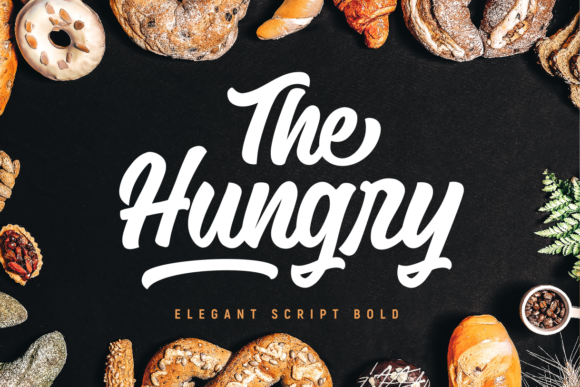
Every designer knows the power of a single typeface to define a project's entire mood. The right font doesn't just display words; it conveys personality, sets an emotional tone, and anchors a visual identity. This is where a distinctive asset like The Hungry becomes invaluable. It is a vintage styled brushed handwritten font, designed to be both fashionable and beautiful, allowing it to integrate seamlessly into a wide pool of designs.
Understanding The Hungry's Design DNA
At its core, The Hungry is more than just letterforms. Its brushed texture and handwritten flow inject a human, artisanal quality into any layout. This vintage character is not about looking outdated; it's about evoking nostalgia, authenticity, and craftsmanship. In an era saturated with clean, geometric sans-serifs, this font offers a compelling visual counterpoint, making it a powerful tool for graphic design professionals seeking to create emotional resonance.
The true strength of this creative asset lies in its versatility. Its balanced weight and carefully crafted letter connections ensure it remains legible across various applications, from large display headers to smaller subheadings. This adaptability is crucial for maintaining a strong visual hierarchy, guiding the viewer's eye naturally through your composition.
Practical Applications for Impactful Visual Design
Integrating a font like The Hungry into your design workflow can elevate numerous projects. Its unique character makes it particularly effective for:
- Branding and Logo Design: It can form the cornerstone of a brand identity for businesses in food, lifestyle, boutique retail, or artisanal services. A logo using The Hungry immediately communicates a hands-on, personal, and quality-driven ethos.
- Marketing and Social Media Graphics: In digital marketing, grabbing attention is paramount. The font's stylish, eye-catching nature makes it perfect for social media posts, email headers, and promotional banners, boosting user engagement and click-through rates.
- Packaging and Editorial Design: For product packaging, especially in the gourmet, coffee, or craft beer sectors, it adds shelf appeal and tells a story of tradition. In editorial layouts, such as magazine features or cookbook pages, it can be used for quotes, pullouts, or section titles to add visual interest and break up body text.
- Web Design and UI Elements: Used judiciously, it can enhance a website's personality. Applying it to hero section headings, special offer callouts, or button text (for short phrases) can improve the user experience by adding a touch of warmth and creativity without sacrificing overall readability.
Tips for Effective Typography Integration
While a beautiful font is a great starting point, successful implementation requires thoughtful consideration. Here are key factors for using display fonts like The Hungry effectively:
- Pair with Purpose: The most effective designs often pair a decorative font with a simple, clean companion. Use The Hungry for headlines and pair it with a neutral sans-serif or serif for body copy to ensure clarity and balance.
- Mind the Context: Always consider your audience and design goals. A vintage handwritten font is perfect for a cozy bakery's branding but might be less suitable for a corporate fintech report. Ensure your typography choices align with the message and audience expectations.
- Check Scalability and Readability: Test your font at all intended sizes, from a tiny favicon to a large poster. Ensure the brushed details remain distinct and the text is easily readable in its final application.
- Harmonize with Other Elements: Typography does not exist in a vacuum. Consider how your font choice interacts with your color palette, imagery, and overall composition. The warm, organic feel of The Hungry often pairs well with earthy tones, textured backgrounds, and natural photography.
Ultimately, the tools you choose directly influence the quality of your communication. Selecting a thoughtfully designed typeface like The Hungry is an investment in your project's visual impact. It allows you to move beyond generic layouts and create professional presentations that tell a richer story. By leveraging such high-quality creative assets with strategic intent, designers and creators can significantly enhance their work, ensuring it is not only seen but truly felt and remembered.