The Bloody Font: A Chilling Script for Haunting Designs
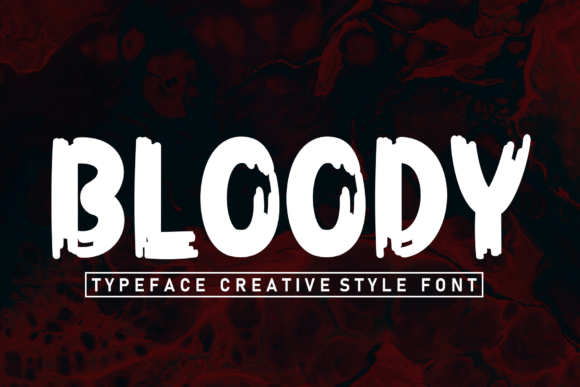
When a design demands a visceral, unsettling atmosphere, the right typeface can be the difference between a generic Halloween poster and a genuinely spine-tingling experience. Enter The Bloody Font, a haunting script and handwritten typeface that immediately injects a sense of macabre suspense into any creative project. Its jagged strokes and deliberate splatters evoke raw horror, making it a powerful tool for designers seeking to create a blood-curdling aesthetic that resonates deeply with viewers.
Understanding The Bloody Font's Design DNA
More than just a novelty, The Bloody Font is a study in controlled chaos. The irregular baselines, sharp terminals, and ink-blot effects mimic the look of hastily written messages or ancient, cursed manuscripts. This level of detail contributes significantly to visual hierarchy and thematic depth. In graphic design, typography does more than convey words; it sets tone and emotion. This font’s visual design instantly communicates danger, mystery, and the supernatural, bypassing the need for excessive explanatory imagery.
Practical Applications for Creative Professionals
While perfect for seasonal projects, its utility extends across various domains of creative projects. Understanding where to deploy such a specific typeface is key to effective visual communication.
- Branding and Logo Design: Ideal for escape rooms, horror film production companies, haunted attractions, or niche apparel brands targeting the gothic subculture. It creates an unforgettable brand identity.
- Marketing Materials & Advertising: Use it for event flyers, horror movie posters, or video game launch campaigns to generate immediate intrigue and set the mood.
- Digital Presence: In web design and UI design, it serves best as a display font for headers or hero sections. However, designers must ensure it does not compromise UX design or readability for longer text blocks.
- Editorial and Packaging: Editorial design for book covers (specifically the thriller or horror genre) and packaging design for limited-edition products benefit from its tactile, gritty appearance.
Integrating Bloody into Your Design Workflow
Successfully incorporating a stylized font like The Bloody Font requires a strategic approach to your design workflow. Consider these tips for professional presentation:
- Pair with Neutral Fonts: To maintain visual hierarchy, pair this script with a clean, sans-serif typeface for body copy. This prevents the layout from becoming visually overwhelming.
- Color Palette Selection: While reds and blacks are obvious choices, contrasting the font against muted earth tones or eerie greens can create a more sophisticated, modern horror aesthetic.
- Scalability and Resolution: Because of the fine details in the splatters, test the font at various sizes. Ensure the "bloody" details remain visible in social media graphics but don't turn into noise in large-scale print design.
Professional Considerations and Usability
When selecting creative assets, quality matters. A professional-grade typeface should include a full character set, punctuation, and potentially alternate glyphs. Furthermore, always verify the licensing for your specific use case, whether it is for digital marketing, merchandise, or client work. The goal is to enhance your project's professional presentation without legal complications.
Ultimately, typography is a cornerstone of effective design. Choosing a typeface like The Bloody Font is not merely about following design trends; it is about making a deliberate choice to evoke a specific emotional response. By integrating high-quality, thematic fonts into your creative projects, you elevate the overall user experience, strengthen brand messaging, and ensure your design communicates exactly what you intend—down to the last drop.