Tangerine: A Handwritten Font for Authentic Design
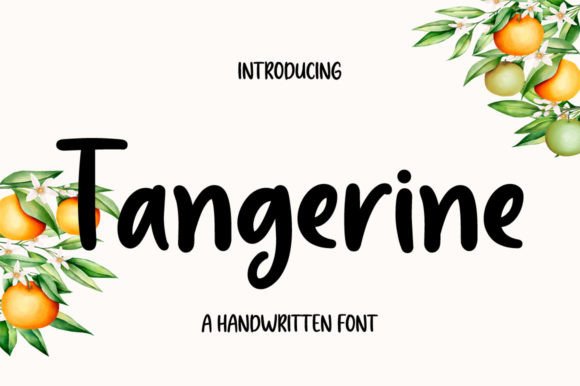
In a digital landscape saturated with sleek, uniform typefaces, a font with genuine, hand-drawn character can be the key to making a design feel personal and memorable. This is where the Tangerine font excels. As a delicate and simple-lettered handwritten font, Tangerine offers an authentic, approachable aesthetic that instantly bridges the gap between a brand and its audience. Its carefully crafted imperfections mimic the natural flow of pen on paper, providing a warmth and realism that sterile, computer-generated fonts often lack.
The Role of Handwritten Typography in Modern Branding
Typography is a cornerstone of visual communication, and the choice of font speaks volumes about a brand's personality. Tangerine’s style is particularly effective for projects aiming to convey friendliness, creativity, and sincerity. In graphic design, using a handwritten font like this can soften a corporate identity, add a human touch to marketing collateral, and create an emotional connection that drives user engagement. It’s not just about looking different; it’s about communicating a specific feeling and enhancing the overall user experience through thoughtful visual design.
Practical Applications for Creative Professionals
The versatility of the Tangerine font makes it a valuable asset across numerous creative projects. Its authentic look translates well from print to digital, offering designers a flexible tool for various applications.
- Branding & Logo Design: Ideal for boutique businesses, artisan products, or personal brands where a handmade, trustworthy feel is paramount.
- Marketing Materials: Perfect for crafting compelling quotes on chalkboard backgrounds, promotional flyers, and direct mail that needs a personal touch.
- Social Media Graphics: Creates eye-catching Instagram stories, Facebook posts, and Pinterest pins that stand out in a feed, improving visual hierarchy and stopping the scroll.
- Website & UI Design: Use for accent text, call-to-action buttons, or decorative headings to inject personality into a user interface without compromising core readability.
- Packaging & Editorial Design: Adds a handcrafted, premium feel to product labels, book covers, and magazine layouts, enhancing the tactile experience of print design.
Integrating Tangerine into Your Design Workflow
To maximize the impact of any creative asset, including fonts like Tangerine, strategic implementation is key. First, consider your audience and design goals. A handwritten font should complement, not compete with, your primary message. Ensure it aligns with your broader color palette and imagery to maintain brand consistency. When evaluating fonts, test for readability at various scales—what looks charming on a poster must still be legible as a smaller UI element.
Effective use also involves understanding visual hierarchy. Tangerine works beautifully as a secondary or accent font, pairing well with clean sans-serifs or simple serifs to create a balanced, modern aesthetic. This combination guides the viewer’s eye effectively, ensuring your design communicates clearly while retaining its unique character. Always consider scalability and compatibility with your existing design systems to ensure a smooth, professional presentation.
Ultimately, thoughtful design choices are what separate good projects from great ones. Selecting quality creative assets like the Tangerine font is an investment in your project's ability to communicate effectively and resonate on a human level. By blending authenticity with professional application, designers can elevate their work, strengthen brand identity, and create visual experiences that are both beautiful and deeply engaging.