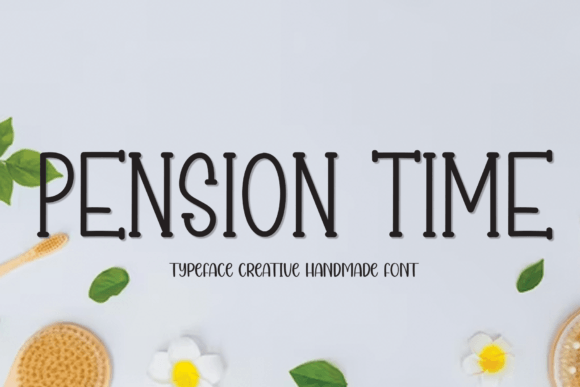
Pension Time: A Fresh Handwritten Font for Modern Design
Imagine a typeface that instantly injects warmth, personality, and a touch of whimsy into your designs. That's the charm of Pension Time, a sweet and friendly handwritten font that feels fresh, neat, and delightfully approachable. In the vast landscape of graphic design resources, finding a typeface that balances playful character with clear readability is a valuable discovery for any creative professional.
Why Typography Choices Define Visual Impact
Typography is a cornerstone of visual communication. The right font does more than display words; it conveys tone, establishes hierarchy, and shapes the viewer's emotional response. A handwritten style like Pension Time offers a distinct advantage in projects where connection and authenticity are paramount. It moves away from the cold precision of geometric sans-serifs, instead offering a human touch that can make brand identity feel more relatable and engaging.
In practical terms, this font excels in scenarios where you need to break through digital noise with genuine warmth. Its clean lines ensure it remains legible across various applications, from small social media graphics to larger printed materials, making it a versatile addition to your creative assets toolkit.
Practical Applications Across Creative Projects
The true test of any design asset is its real-world application. Pension Time proves its worth across a surprising range of contexts, enhancing both aesthetics and user experience.
- Branding and Logo Design: Use it for taglines, submarks, or entire wordmarks for brands aiming for a friendly, artisanal, or youthful image. It pairs wonderfully with clean sans-serifs for contrast.
- Marketing Materials: From flyers and brochures to email headers, this font can highlight key messages, calls-to-action, or promotional offers with a personal, inviting feel.
- Social Media Content: Create standout Instagram Stories, Pinterest graphics, or Facebook posts. Its handwritten nature feels native to casual, engaging social media communication.
- Website and UI Design: Apply it strategically for headings, quotes, or buttons in web design to add a layer of visual interest and personality without compromising overall UI clarity.
- Editorial and Packaging Design: In print design, it's ideal for invitations, greeting cards, magazine pull-quotes, or packaging labels that need a charming, handcrafted aesthetic.
For digital products and presentations, using Pension Time can transform a standard slide deck into a more memorable and professional presentation, guiding the audience's eye and making key takeaways more digestible.
Integrating Handwritten Fonts with Design Principles
Successfully incorporating a distinctive font like this requires a thoughtful approach to your overall design workflow. Consider these factors to ensure it enhances rather than hinders your project:
- Visual Hierarchy and Readability: Use handwritten fonts for short bursts of text—headings, accents, or labels—not for long body paragraphs. Ensure sufficient contrast with your background color palette.
- Audience and Context: Align the font's personality with your audience's expectations. A playful script suits a children's brand but might not convey the right tone for a corporate legal firm.
- Compatibility and Consistency: Test how it interacts with other fonts in your brand system. Maintain consistency in its use across all touchpoints to build a cohesive brand identity.
- Scalability: Check its performance at different sizes. A font that looks beautiful on a wedding invitation must also remain clear when scaled down for a website favicon.
Remember, great design is about balance. Pair Pension Time with more neutral, structured typefaces to create a dynamic and visually appealing hierarchy that guides the viewer effortlessly.
Ultimately, the tools you choose directly influence the quality of your creative projects and the clarity of your visual communication. Selecting a well-crafted, versatile font like Pension Time is an investment in your design's ability to connect, engage, and leave a lasting impression. In the pursuit of modern aesthetics and professional presentation, thoughtful typography remains one of the most powerful elements at a designer's disposal.