Flowing Lines: A Bold Brush Font for Modern Design
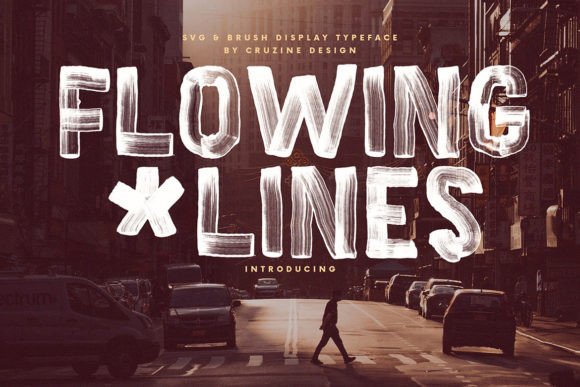
In the crowded landscape of digital and print design, capturing attention requires more than just a message—it demands a visual voice. Flowing Lines is a modern bold brush handwritten font that answers this call, offering designers a tool that combines the raw energy of hand-lettering with the clean sophistication needed for professional projects. Its fluid, expressive strokes create an immediate sense of motion and elegance, making it a standout choice for anyone looking to inject personality and contemporary flair into their work.
Understanding the Power of Expressive Typography
Typography is the backbone of visual communication, and a font like Flowing Lines plays a specific, powerful role. Unlike rigid sans-serifs or traditional serifs, its cursive letterforms and unique character shapes bring a human touch to digital interfaces and printed materials. This isn't just about looking different; it's about conveying a specific brand personality—whether that's creative, approachable, energetic, or luxurious. In a world saturated with uniform text, a bold brush font cuts through the noise, guiding the viewer's eye and creating a memorable impression that aligns with modern aesthetics.
Practical Applications Across Creative Projects
The versatility of Flowing Lines is one of its greatest strengths. Its design is intentionally crafted to meet the demands of diverse creative projects, ensuring it enhances rather than overwhelms your visual hierarchy. Consider these key applications:
- Brand Identity & Logo Design: For brands seeking a bold, authentic personality, Flowing Lines can form the core of a memorable logo. It communicates creativity and confidence, ideal for lifestyle brands, artisanal products, or creative agencies.
- Packaging Design: On shelves or in online stores, packaging must tell a story at a glance. The flowing, elegant strokes of this font add a premium, crafted feel that can elevate a product's perceived value and connect emotionally with consumers.
- Social Media & Digital Marketing: In fast-scrolling feeds, static text often fails. Using Flowing Lines for headlines, quotes, or call-to-action text in social media graphics adds dynamic energy that stops thumbs and boosts engagement.
- Editorial & Web Design: While not for body text, it’s perfect for impactful headlines in magazines, blogs, or website hero sections. It sets a strong tone, supports visual storytelling, and enhances the user experience by creating clear focal points.
- Advertising & Presentations: From digital ads to keynote slides, bold typography directs focus. Flowing Lines can make a key message or statistic leap off the page or screen, ensuring your core idea is communicated effectively.
Integrating a Bold Font into Your Design Workflow
Adopting a distinctive typeface like Flowing Lines requires thoughtful strategy to ensure it strengthens, rather than disrupts, your overall design system. Here are key considerations for seamless integration:
Prioritize Readability and Scalability. Always test your chosen font at various sizes. A bold brush script should remain legible on a small social media icon and a large billboard. Ensure its unique shapes don't become muddy when scaled down.
Establish a Strong Visual Hierarchy. Use Flowing Lines strategically for headlines, subheadings, or accent text. Pair it with a clean, neutral font for body copy to maintain balance and ensure the overall message is accessible. This contrast is fundamental to professional graphic design.
Align with Brand Consistency. The font's personality must match the brand's voice. Is your brand sophisticated? Playful? Bold? Audit the font's characteristics against your brand guidelines. Its expressive nature should complement your color palette, imagery, and tone.
Consider Context and Audience. While modern and bold, ensure the style resonates with your target audience's expectations. A children's educational app might use it differently than a luxury fashion brand's advertisement. Context is everything in visual design.
Ultimately, the assets you choose define your creative output. A resource like Flowing Lines is more than just a typeface; it's a creative asset that, when used with intention, can significantly improve the quality of your branding, communication, and user engagement. By focusing on practical application, consistency, and strategic pairing, designers and creators can leverage such tools to produce work that is not only visually stunning but also deeply effective in achieving its goals.