Discovering the Elegance of Pears in Modern Design
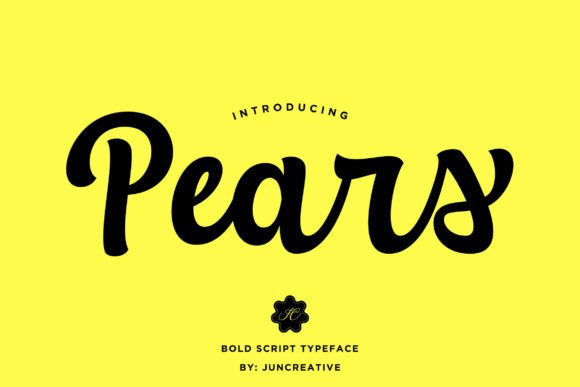
In the crowded world of digital assets, finding a typeface that feels both timeless and fresh is a rare discovery. Pears is one such font, a handwritten style that balances charm with a distinct sense of sophistication. Its flowing letterforms and subtle imperfections create an immediate human connection, making it a powerful tool for designers seeking to add warmth and authenticity to their work.
The Role of Authentic Typography in Visual Communication
Modern graphic design often walks a line between clean digital precision and the desire for organic, relatable aesthetics. This is where a typeface like Pears excels. It serves as a visual bridge, injecting personality into layouts that might otherwise feel sterile. In branding and identity design, this handwritten quality can be the cornerstone of a brand’s voice, communicating approachability, creativity, and attention to detail without saying a word.
Its effectiveness lies in its versatility. The font’s elegant curves and balanced spacing ensure it remains legible across various applications, from large-scale headlines to smaller supporting text. This adaptability is crucial for maintaining a cohesive brand identity across multiple touchpoints.
Practical Applications for Creative Projects
The true value of any creative asset is measured by its real-world utility. Pears feels equally charming and elegant, making it a versatile component in a designer’s toolkit. Consider its impact across these common design scenarios:
- Branding & Logo Design: A logo set in Pears can instantly convey a boutique, artisanal, or personalized brand personality. It works beautifully for businesses in the wedding, beauty, lifestyle, and creative sectors.
- Marketing & Social Media: For social media graphics, email headers, and digital ads, Pears can draw the eye and create a focal point. Its handwritten nature helps posts stand out in a feed, boosting engagement through visual warmth.
- Print & Packaging: From thank you cards and wedding invitations to product packaging and labels, the font adds a tactile, premium feel. It elevates the unboxing experience and makes printed materials feel more personal.
- Editorial & Web Design: Used sparingly for pull quotes, section headers, or call-to-action buttons, Pears can break up monotonous text layouts. It guides the user’s eye and adds a layer of visual interest to blogs, magazines, and website UI.
Integrating a Handwritten Font into Your Design Workflow
Successfully incorporating a script or handwritten font requires more than just a pleasing aesthetic. Thoughtful application ensures it enhances rather than hinders your design’s goals. Here are key considerations for effective use:
Prioritize Readability and Hierarchy: Use Pears for display purposes—headlines, subheadings, or short, impactful phrases. Pair it with a clean, highly readable sans-serif or serif font for body copy to establish a clear visual hierarchy. This contrast ensures your message is both beautiful and accessible.
Test for Scalability: Always check how the font renders at different sizes. A typeface that looks perfect on a business card may become illegible when scaled down for a mobile UI. Test it in context to guarantee performance.
Align with Audience Expectations: The casual elegance of a handwritten font is perfect for certain brands but may not suit a corporate financial institution. Ensure the font’s personality aligns with your target audience’s expectations and the core values of the brand identity you’re building.
Maintain Consistency: Once you select a font like Pears, use it consistently as part of your brand’s visual system. Define its usage rules—specific sizes, colors, and pairings—to create a professional and recognizable brand presence across all materials.
In the end, the most compelling designs are those that feel intentional and cohesive. Choosing the right typography is a fundamental decision that shapes how an audience perceives and interacts with your content. Quality creative assets like Pears are not merely decorative; they are strategic tools that enhance communication, strengthen brand recall, and transform ordinary designs into memorable experiences. By thoughtfully integrating such resources, designers and creators can achieve a perfect harmony between aesthetic appeal and functional clarity.