Bread: Elevate Your Design Projects with This Handwritten Font
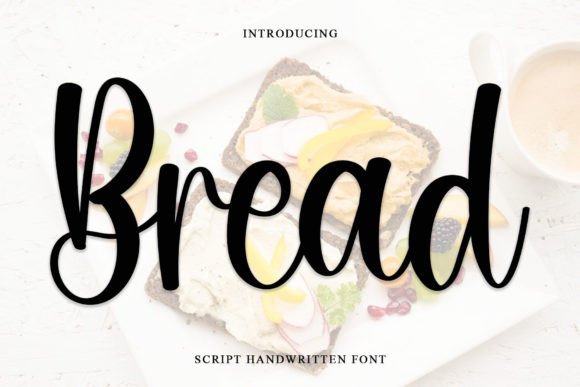
Every designer knows the struggle of finding a typeface that feels both unique and versatile, one that can inject personality without sacrificing clarity. Bread, a beautiful handwritten font, offers an elegant solution that balances distinct character with professional application, making it a valuable asset for a wide range of creative projects.
Understanding Bread's Role in Modern Design
In today's visual landscape, where digital marketing and social media graphics compete for attention, typography is a critical component of brand identity. Bread is described by its elegant touch and timeless style, which allows it to communicate authenticity and warmth. This makes it particularly effective for projects aiming to foster a personal connection with the audience, from boutique branding to editorial design.
Practical Applications for Visual Impact
The true value of a creative asset like Bread lies in its practical application across various design workflows. Its handwritten quality can soften corporate interfaces or add a handcrafted feel to packaging design. Consider these uses:
- Branding and Logo Design: Use Bread to create logotypes for artisanal brands, cafes, or lifestyle products where a human touch is paramount.
- Marketing Materials: Enhance brochures, flyers, and digital ads with headlines that feel personal and engaging, improving click-through rates.
- Social Media Content: Stand out in crowded feeds with Instagram stories, Pinterest pins, or Facebook posts that use Bread for impactful quotes and calls-to-action.
- Web and UI Design: Apply it sparingly for hero sections, pull quotes, or navigation elements to break the monotony of standard sans-serifs and guide the user's eye.
- Packaging and Merchandise: From coffee bags to apparel tags, Bread can help create a cohesive and memorable unboxing experience that strengthens brand loyalty.
Tips for Effective Typography Integration
Integrating a distinctive font like Bread into your design system requires thoughtful consideration. First, always test for readability across different sizes and backgrounds, especially for UI design and web applications. Pair it with a clean, neutral typeface for body text to maintain a strong visual hierarchy and ensure accessibility. Furthermore, consider your color palette; Bread's elegant lines often work best with subdued or monochromatic schemes that don't compete with its intricate letterforms.
Evaluating Creative Assets for Your Workflow
When selecting any design asset, evaluate it against your project's goals. Ask yourself: Does this font support the intended message? Is it scalable for both print design and digital screens? Does it align with current design trends while remaining timeless? Bread's distinct style makes it a candidate for projects that prioritize emotional resonance over stark minimalism. It's essential to use such expressive fonts intentionally to avoid visual clutter and maintain a professional presentation.
Ultimately, the choice of typography is a foundational decision that influences every aspect of a design, from the overall aesthetic to the user's subconscious perception of the brand. By thoughtfully incorporating assets like Bread, designers and creators can elevate their work, ensuring it is not only visually spectacular but also communicatively effective, leaving a lasting impression on any audience.