Berry Pastel: The Modern Monoline Handwritten Font
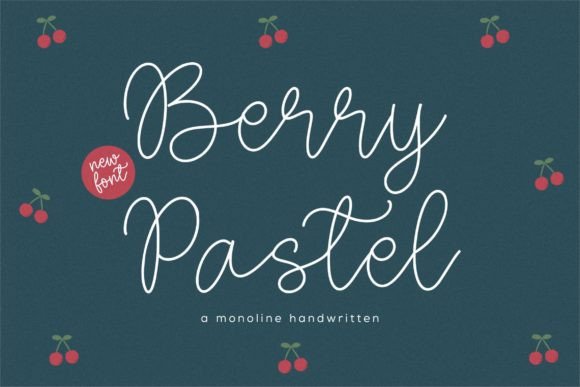
In a design landscape saturated with complex and sometimes overwhelming typefaces, there's a growing appreciation for fonts that offer clarity and quiet confidence. Berry Pastel, a monoline handwritten font, embodies this shift perfectly. It delivers clean, elegant lines that feel both contemporary and timeless, making it an invaluable asset for designers seeking to create work with understated sophistication and broad appeal.
Understanding the Appeal of Monoline Typography
Monoline fonts are defined by their consistent stroke width, which creates a harmonious and balanced visual rhythm. Unlike scripts with dramatic thick-thin contrasts, Berry Pastel’s uniform line weight ensures a smooth, effortless reading experience. This quality is crucial for visual hierarchy, as it allows text to integrate seamlessly without competing with other design elements. Its handwritten nature adds a personal, approachable touch, making it ideal for projects that require a human connection while maintaining a polished, modern aesthetic.
Practical Applications Across Design Disciplines
The true strength of Berry Pastel lies in its remarkable versatility. Its clean structure and elegant character make it suitable for a wide array of creative projects, ensuring a cohesive and professional look across different mediums.
Building a Strong Brand Identity
For branding and logo design, Berry Pastel can establish a unique and memorable voice. It works beautifully for boutique brands, lifestyle companies, and artisanal products where authenticity is key. When paired with a complementary sans-serif or serif font, it can create a dynamic and balanced typographic system that enhances brand recognition.
Enhancing Marketing and Digital Presence
In digital marketing, consistency is paramount. Berry Pastel shines in creating cohesive social media graphics, email headers, and advertising campaigns. Its legibility ensures clear communication even at smaller sizes, which is vital for user engagement on mobile devices. For web design and UI design, it can be used sparingly for headlines or accent text to inject personality without sacrificing readability or the overall user experience.
Elevating Print and Packaging
When it comes to packaging design and print design, Berry Pastel excels. Its clean lines reproduce beautifully on various materials, from luxurious paper stocks to textured cardboard. Consider it for invitations, business cards, or product labels to add a bespoke, handcrafted feel. In editorial design, it can highlight pull quotes or chapter titles, adding a creative flair to layouts.
Tips for Effective Implementation
Integrating a distinctive font like Berry Pastel into your design workflow requires thoughtful application to maximize its impact.
- Prioritize Readability: Use it for short bursts of text like headlines, subheadings, or call-to-action phrases. Avoid using it for long body paragraphs where a standard serif or sans-serif font would be more comfortable to read.
- Consider Your Audience: Ensure its handwritten style aligns with your target audience's expectations and your brand's core message. It’s perfect for creative, fashion, or lifestyle industries.
- Maintain Visual Hierarchy: Pair it with a neutral, highly legible font for body text. This contrast will make your headlines pop and guide the viewer's eye through your content logically.
- Test Across Mediums: Always preview how the font renders in its final context—on a screen, in print, or on a physical product. Check for scalability and legibility at all intended sizes.
Selecting the right creative assets is a fundamental part of the design process. A well-chosen typeface like Berry Pastel does more than just display words; it conveys mood, reinforces brand values, and elevates the entire visual composition. By thoughtfully integrating such resources, designers and creators can ensure their work not only looks beautiful but communicates with clarity and purpose, leaving a lasting and positive impression.